Today, it is hard to imagine Italy without pasta. But few people know that pasta once literally saved one of the country’s largest cities from hunger.
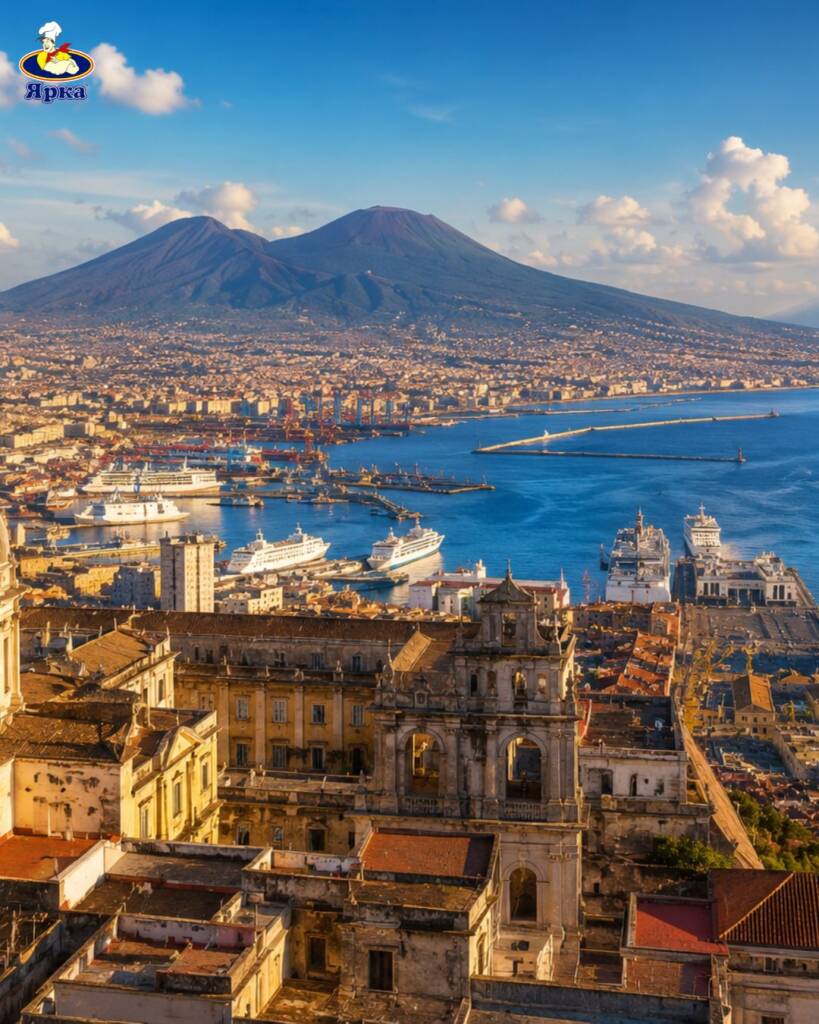
In the 17th century, the people of Naples were known for their love of meat. Pasta was considered food for the poor and was not particularly popular. However, the city’s population was growing rapidly, while meat was becoming increasingly expensive and difficult to afford.
That was when local craftsmen began producing dried pasta on a large scale. It was inexpensive, nutritious, could be stored for months, and did not spoil during transportation. For thousands of families, it became a true lifesaver.
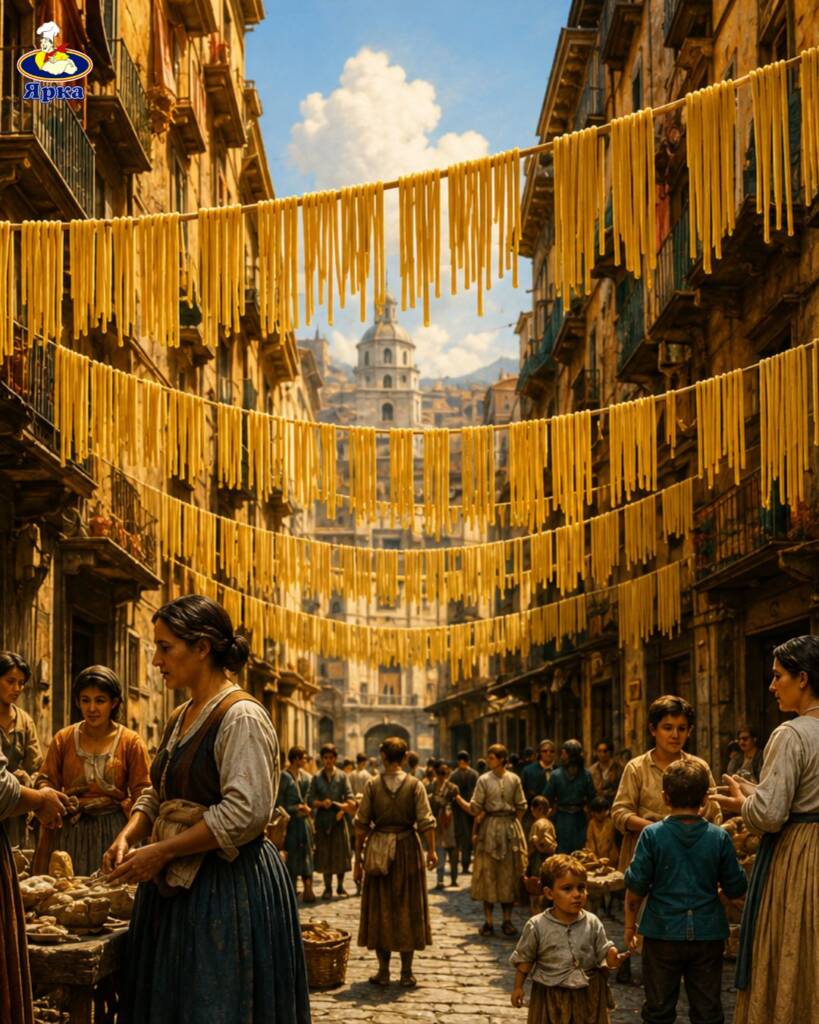
Soon, the streets of Naples were filled with an unusual sight: hundreds of meters of pasta were hanging to dry on long wooden poles stretched between buildings. Travelers from all over Europe were so amazed by this scene that they began calling the city’s residents “macaroni eaters.”
It is said that this was the moment when pasta stopped being a poor man’s food and gradually became a national symbol of Italy.
Interestingly, in those days people ate long pasta with their hands, without forks. Special pasta forks appeared much later, when pasta became popular among the aristocracy.
Today, pasta remains one of the world’s favorite foods. And although centuries have passed, its greatest advantages remain unchanged—it is filling, easy to prepare, and offers endless possibilities for delicious meals.
TM JARKA reminds us: sometimes the simplest foods have the greatest stories.